Papaya (Carica papaya) is a fast-growing and highly productive tropical fruit tree valued for its nutritional and medicinal benefits. However, papaya cultivation is often affected by several diseases that can significantly reduce yield and fruit quality if not managed properly.
These diseases may be caused by fungi, bacteria, viruses, or unfavorable environmental conditions. Early identification and timely control are essential to maintain healthy papaya plants and ensure profitable production.
This blog discusses the most common papaya tree diseases, their symptoms, causes, and effective management practices.
Table of Contents
1. Papaya Ring Spot Virus (PRSV)
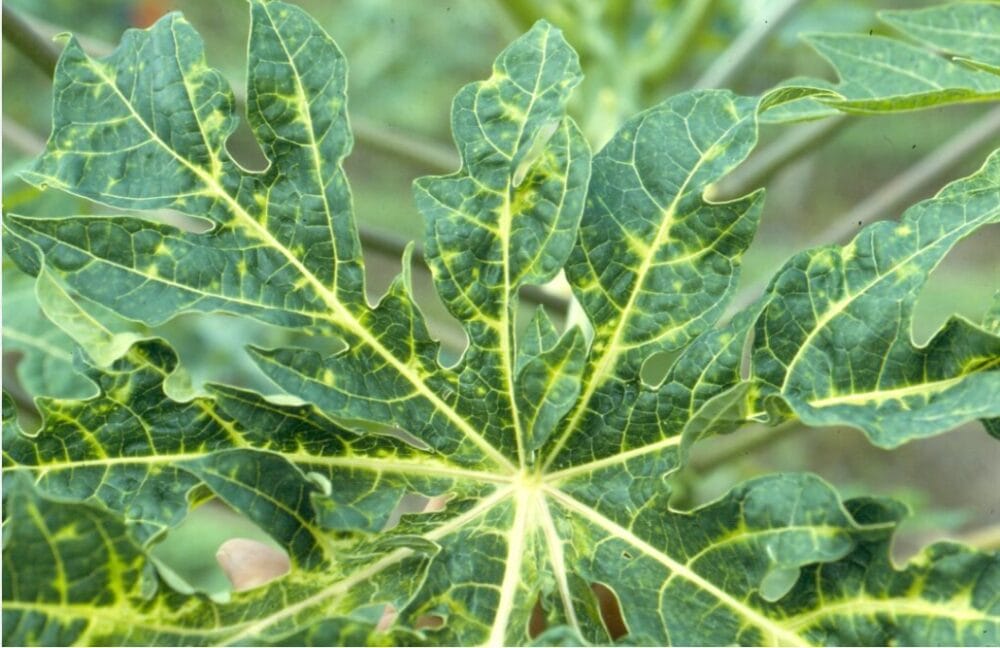
Papaya Ring Spot Virus is one of the most destructive diseases of papaya worldwide.


Symptoms:
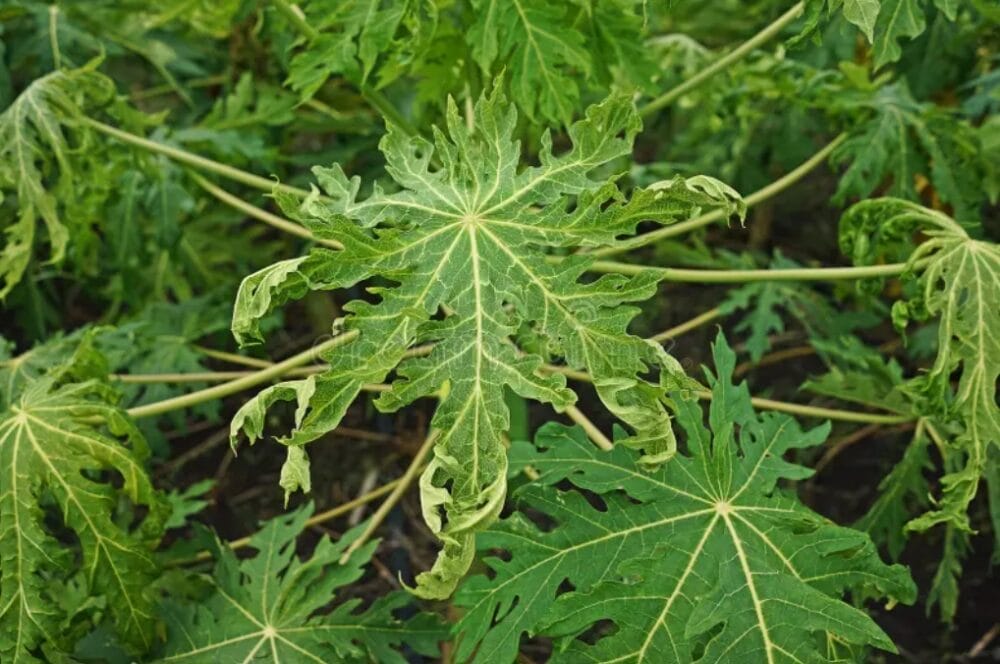
- Mosaic and yellow mottling on leaves
- Distorted and reduced leaf size
- Dark green ring-like spots on fruits
- Stunted plant growth and poor fruiting
Cause:
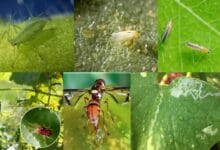
The disease is caused by a virus transmitted mainly by aphids.
Management:
- Use virus-free and resistant varieties
- Control aphid populations using neem oil or insecticides
- Remove and destroy infected plants immediately
- Maintain field hygiene and avoid planting near infected crops
2. Anthracnose Disease
Anthracnose mainly affects papaya fruits, especially during humid conditions and post-harvest handling.
Symptoms:
- Small, sunken, dark brown or black spots on fruits
- Lesions enlarge and merge, causing fruit rot
- Pink or orange fungal spores may appear on spots
Cause:
Fungus Colletotrichum gloeosporioides.
Management:
- Avoid overhead irrigation
- Harvest fruits at proper maturity
- Spray fungicides like carbendazim or copper-based fungicides
- Maintain good air circulation in the orchard
Also Read: Top 10 Benefits of Organic NPK Fertilizers for healthy plants
3. Powdery Mildew
Powdery mildew commonly affects papaya during dry weather with cool nights.
Symptoms:
- White powdery growth on leaves
- Yellowing and premature leaf fall
- Reduced photosynthesis and weak plants
Cause:
Fungal pathogens such as Oidium caricae.
Management:
- Spray wettable sulfur or systemic fungicides
- Remove affected leaves
- Avoid excessive nitrogen fertilization
4. Root Rot and Stem Rot
Root rot is a serious soil-borne disease that can kill papaya plants rapidly.
Symptoms:
- Yellowing and wilting of leaves
- Soft, decaying roots
- Stem base becomes water-soaked and rotten
- Sudden plant collapse
Cause:
Fungi like Phytophthora and Pythium, favored by waterlogged soil.
Management:
- Ensure proper drainage
- Avoid over-irrigation
- Drench soil with fungicides such as metalaxyl
- Use raised beds for planting
Also Read: How to Cultivate Papaya: A Complete Step-by-Step Guide for Farmers
5. Leaf Curl Disease
Leaf curl disease reduces plant vigor and fruit yield.
Symptoms:
- Curling and distortion of leaves
- Thickened veins
- Reduced leaf size
- Stunted plant growth
Cause:
Virus transmitted by whiteflies.
Management:
- Control whiteflies using yellow sticky traps
- Spray neem-based insecticides
- Remove infected plants
- Practice crop rotation
6. Bacterial Leaf Spot
This disease affects both leaves and fruits, especially in rainy seasons.
Symptoms:
- Small water-soaked spots on leaves
- Spots turn brown with yellow halos
- Cracking and blemishes on fruits
Cause:
Bacteria Xanthomonas campestris.
Management:
- Use disease-free seeds
- Avoid working in wet fields
- Spray copper fungicides
- Remove infected plant debris
7. Damping-Off (in Seedlings)
This disease mainly affects young papaya seedlings.
Symptoms:
- Seedlings rot at soil level
- Sudden collapse of young plants
Cause:
Soil-borne fungi like Rhizoctonia and Pythium.
Management:
- Use sterilized nursery soil
- Avoid excess watering
- Treat seeds with fungicides before sowing
Preventive Measures for Papaya Tree Diseases
- Select healthy, certified planting material
- Maintain proper spacing between plants
- Follow balanced fertilization
- Ensure good field sanitation
- Monitor pests regularly
- Practice crop rotation and intercropping
Frequently Asked Questions (FAQ)
Q1. What is the most common disease in papaya trees?
Papaya Ring Spot Virus (PRSV) is the most common and damaging disease affecting papaya cultivation worldwide.
Q2. How can I prevent papaya ring spot virus?
Use resistant varieties, control aphids, remove infected plants early, and maintain field hygiene.
Q3. Why are my papaya leaves turning yellow?
Yellowing can be caused by viral diseases, nutrient deficiency, root rot, or over-watering.
Q4. Is root rot curable in papaya plants?
Early-stage root rot can be managed with proper drainage and fungicides, but severely affected plants should be removed.
Q5. Which fungicide is best for papaya diseases?
Copper-based fungicides, carbendazim, and metalaxyl are commonly used, depending on the disease.
Q6. Can papaya diseases spread to other plants?
Yes, viral and fungal diseases can spread through insects, soil, water, and infected tools.
Q7. How often should I spray fungicides on papaya trees?
Spraying depends on disease severity and weather conditions, usually every 10–15 days during infection periods.
Conclusion
Effective management of papaya tree diseases depends on early detection, proper cultural practices, and timely use of control measures.
By following preventive strategies and maintaining orchard hygiene, farmers and gardeners can significantly reduce disease incidence and achieve healthy, high-yielding papaya crops.